Contract manufacturing for global brands, retailers and licensed programs — produce your designs at our facility, with our quality systems, our compliance and our scale.
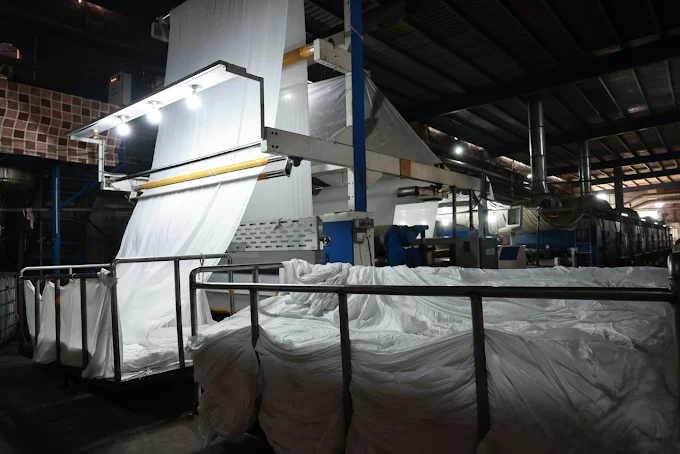
OEM (Original Equipment Manufacturing) is sometimes used interchangeably with private label, but they're not quite the same thing. Private label is about helping a brand develop and ship a product. OEM is about manufacturing to your existing specifications — your designs, your fabrics, your construction details, your quality standards — at our facility.
OEM customers usually come to us in one of three situations: their existing manufacturer can't scale to meet their growth, their existing manufacturer can't meet a compliance requirement (C-TPAT, Disney, social audit), or they want a second source for risk diversification. We've supported all three.

Model
Who designs the product
Who owns the brand
Wholesale
The supplier
The supplier
Private Label
Joint development
The buyer (your brand)
OEM
The buyer (your spec)
The buyer (your brand)

A Real OEM Example
A European home-textile importer migrated their bedding program to us from another Pakistani mill that had lost C-TPAT certification. The program included 8 SKUs at multi-million-unit annual volume across two destination markets. The migration ran in three phases: counter-sample approval (4 weeks), first parallel production with their existing supplier (12 weeks), and full migration (24 weeks). The buyer's stated reason for the change: "they make a complicated category feel routine."
Reach Out
Starting an OEM Conversation
If you're scoping an OEM program, share the following with our team:

Requirements
Existing product specification package (fabric, construction, packaging)
Annual volume estimate and rough PO sizing
Required compliance and certifications
Destination markets
Why you're considering a change of manufacturer
